
Steel production and hydrogen: a guide for businesses
Direct answer
Steel production and hydrogen are linked because hydrogen can replace the coal and coke that currently reduce the iron ore in the blast furnace: that carbon binds the oxygen from the ore and leaves the process as CO2. Direct reduction with hydrogen produces water vapour instead of CO2, after which an electric furnace melts the iron into steel, sharply cutting emissions per tonne.
- Clear definition
- Data-driven assessment
- Risks and opportunities visible
- Practical next steps
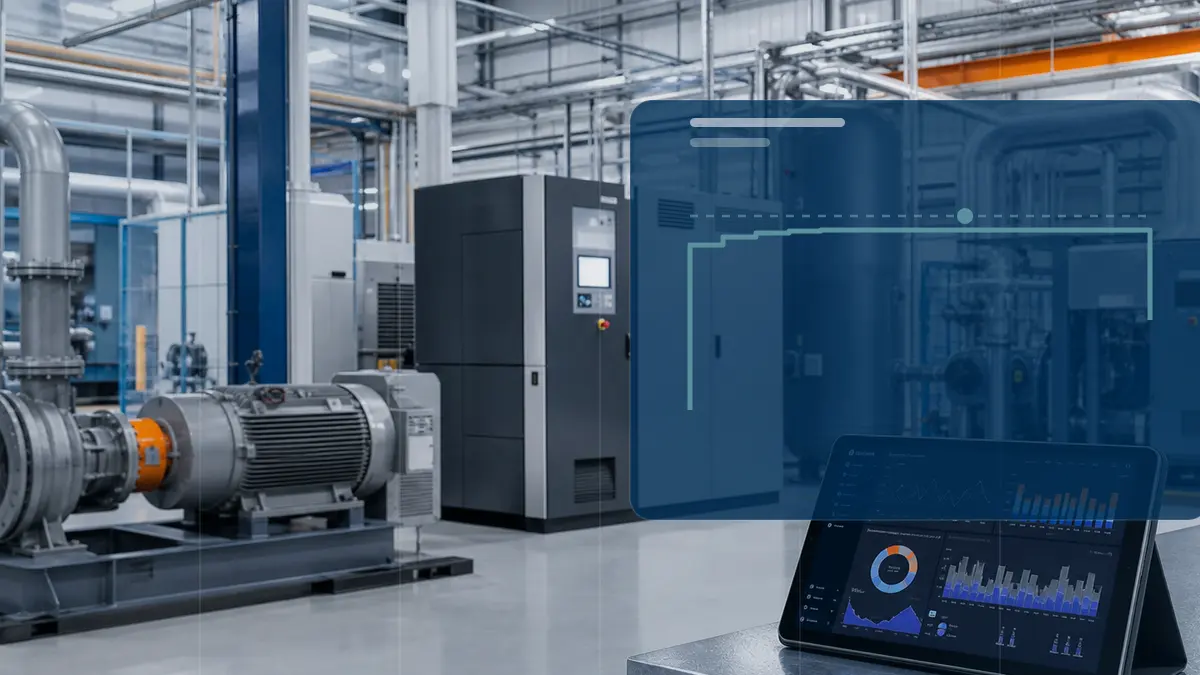
Steel production and hydrogen: scattered information versus Energy Intelligence
Steel is everywhere: buildings, bridges, cars and wind turbines. Its production is one of the largest industrial sources of CO2 worldwide, accounting for seven to nine percent of total emissions. In the Netherlands, the steel plant in IJmuiden is one of the country's largest single emission sources. Anyone who buys steel, builds with it or reports on supply chain emissions will sooner or later face the footprint of steel. Hydrogen is seen as the main candidate to structurally shrink that footprint.
- The classic blast furnace route emits on average more than two tonnes of CO2 per tonne of steel worldwide; much of that is process emissions, which do not disappear by buying green energy alone.
- Direct reduced iron (DRI) made with hydrogen, followed by an electric arc furnace, replaces coal as the reducing agent; remelting scrap in electric furnaces is a clean route as well.
- The transition requires very large volumes of green hydrogen and electricity plus new infrastructure; international demonstration projects are running and the Netherlands has plans for green steel.
Insight
Traditional approach
Information is scattered across portals, documents, invoices or separate spreadsheets.
Modern approach
Data, context and interpretation are brought together into a clear decision picture.
Decision-making
Traditional approach
Choices are made based on averages, assumptions or occasional analyses.
Modern approach
Scenarios, KPIs and current measurement data make the trade-off more concrete and repeatable.
Follow-up
Traditional approach
Actions often stay non-committal or disappear into separate reports.
Modern approach
Follow-up actions, monitoring and reporting are linked to the same energy data.
Why does steel production emit so much CO2?
Making steel starts with iron ore, a compound of iron and oxygen. To turn it into metallic iron, that oxygen has to be removed. In the classic blast furnace, carbon does that work: coke, made from coal, binds the oxygen and leaves the process as CO2. These are called process emissions, because they come from the chemistry of the process itself, not from the energy supply. On top of that come energy emissions from heating the furnace and further processing. On average, the blast furnace route emits more than two tonnes of CO2 per tonne of steel worldwide. Switching to green electricity only solves part of this: as long as coal is the reducing agent, the process emissions remain. Truly clean steel therefore requires a different production process, not just cleaner energy.
- Iron ore is a compound of iron and oxygen; removing that oxygen is called reduction.
- In the blast furnace, coke made from coal reduces the ore; the carbon is released as CO2.
- Process emissions come from the chemistry of the process and do not disappear by buying green electricity.
- Worldwide, the steel industry accounts for seven to nine percent of CO2 emissions.
How can hydrogen make steel cleaner?
Hydrogen can take over the role of coal as the reducing agent. In a direct reduction plant, hydrogen gas flows past the iron ore and binds the oxygen. The by-product is water vapour instead of CO2. The result is called direct reduced iron, or sponge iron: solid iron that is not yet steel. An electric arc furnace then melts that iron into steel. If the furnace runs on renewable electricity and the hydrogen is green, emissions per tonne of steel fall very sharply. The same reduction technique also works on natural gas. That emits less than the blast furnace and serves as a stepping stone: a plant can switch to hydrogen later. There is also a second clean route: remelting scrap in an electric furnace. That takes far less energy, because the reduction step was already done in the past.
- Hydrogen removes the oxygen from the ore; water vapour is produced instead of CO2.
- Direct reduced iron (DRI) is melted into steel in an electric arc furnace.
- Direct reduction on natural gas is a proven intermediate step; the plant can run on hydrogen later.
- Remelting scrap in electric furnaces is a second route and takes far less energy.
How far along is green steel and what does it require?
Hydrogen steel exists, but not yet at scale. In Sweden, demonstration projects have produced the first batches of steel with hydrogen as the reducing agent, and plants based on direct reduction are being prepared or built in several places across Europe. There are plans for green steel in the Netherlands too: gradually replacing the blast furnace route in IJmuiden with direct reduction and electric furnaces. The preconditions are substantial. One large steel plant requires very large volumes of green hydrogen, and therefore a great deal of extra renewable electricity and electrolysis capacity. A hydrogen network, sufficient grid capacity and permits are also needed; a national hydrogen network is under construction in the Netherlands. Timelines for projects like these shift regularly. The transition will therefore proceed step by step, with natural gas as a possible intermediate fuel.
- Demonstration projects, in Sweden among other places, have delivered the first batches of hydrogen steel.
- The Netherlands has plans to replace the blast furnaces in IJmuiden with direct reduction and electric furnaces.
- The route requires very large volumes of green hydrogen, extra renewable electricity and electrolysis capacity.
- A national hydrogen network and sufficient grid capacity are preconditions; timelines shift regularly.
Curious what this looks like with your own data?
In a no-obligation call, a specialist looks at your meters, sites and energy questions with you. Response within one business day.
Search the knowledge base
Find the answer to your question.
Search using your own words. Abbreviations and spelling variants are recognised, so EMS also finds the articles on energy management systems.
Topic