
Greenhouse horticulture and energy: a guide for businesses
Direct answer
Greenhouse horticulture is an energy-intensive sector that needs three things at once: heat for the greenhouse climate, electricity for lighting and CO2 as feed for the crops. Many Dutch growers produce all three together with a natural gas fired combined heat and power unit. Through agreements with the government, the sector is working towards climate-neutral cultivation, along routes such as geothermal energy, waste heat, heat pumps and energy-efficient growing.
- Clear definition
- Data-driven assessment
- Risks and opportunities visible
- Practical next steps
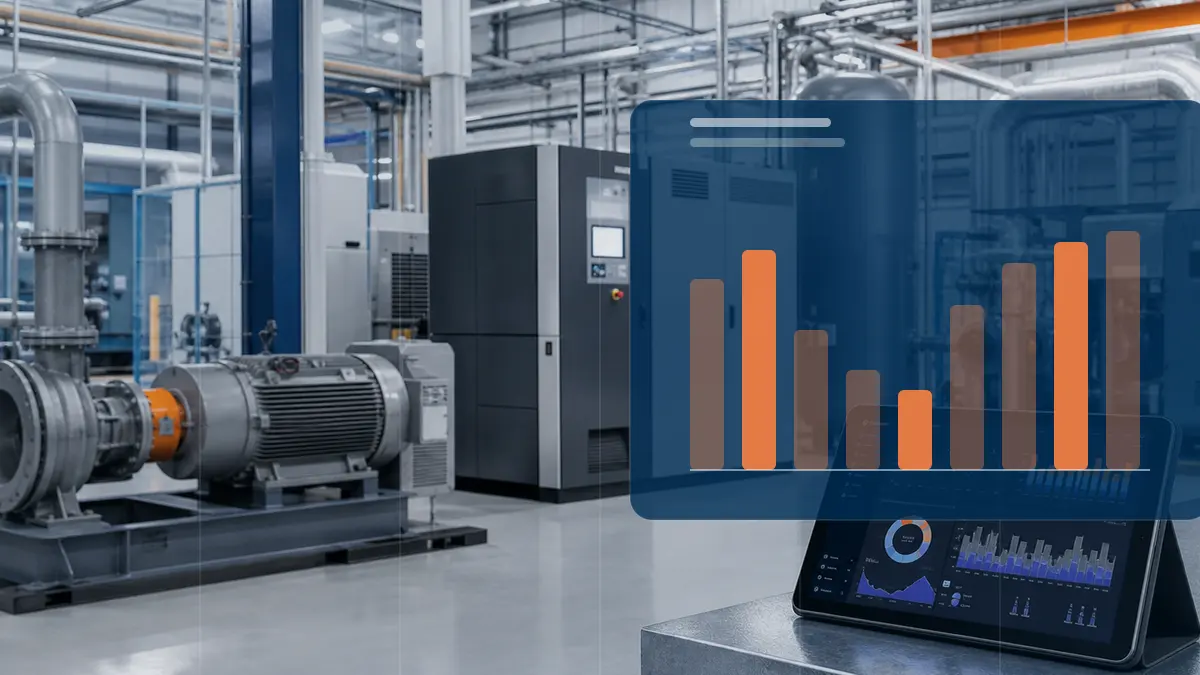
Greenhouse horticulture and energy: scattered information versus Energy Intelligence
Drive past the Westland greenhouse district on a winter evening and you will see greenhouses glowing orange. That image tells the whole story: a modern greenhouse business is not just a grower but also a small energy company. It heats, lights, doses CO2 and often trades actively on the electricity market. For growers, suppliers and financiers, energy is therefore one of the largest cost items and at the same time a source of income. This article explains how that energy system works and where it is heading.
- A greenhouse needs heat, light and CO2 at the same time; a combined heat and power unit (CHP) on natural gas delivers all three from one installation, with surplus electricity sold to the grid.
- The main decarbonisation routes are geothermal energy, industrial waste heat, all-electric greenhouses with heat pumps, LED lighting, energy screens and the cultivation approach known as Next Generation Growing.
- The sector has agreed a declining CO2 ceiling with the Dutch government, with a steering system that gives individual companies an incentive to reduce their own emissions.
Insight
Traditional approach
Information is scattered across portals, documents, invoices or separate spreadsheets.
Modern approach
Data, context and interpretation are brought together into a clear decision picture.
Decision-making
Traditional approach
Choices are made based on averages, assumptions or occasional analyses.
Modern approach
Scenarios, KPIs and current measurement data make the trade-off more concrete and repeatable.
Follow-up
Traditional approach
Actions often stay non-committal or disappear into separate reports.
Modern approach
Follow-up actions, monitoring and reporting are linked to the same energy data.
Why is energy central to the greenhouse?
A greenhouse crop needs three things that all cost energy. Heat keeps the greenhouse climate at temperature and the air dry enough to prevent disease. Electricity powers the lighting that lets growers keep producing through the dark months. And CO2 acts as feed: plants grow faster at a higher CO2 concentration in the greenhouse air. The combined heat and power unit, or CHP, became popular because a single gas engine serves all these needs at once. The engine drives a generator that supplies electricity for lighting or for sale to the grid, the engine heat warms the greenhouse, and the cleaned flue gases provide CO2 for the crop. That triple use makes the CHP efficient, but it also ties the sector to natural gas.
- For most crops, heat is the largest energy requirement.
- Lighting enables year-round production but requires large amounts of electricity.
- CO2 is deliberately dosed into the greenhouse because crops grow faster with it.
- A CHP delivers heat, electricity and CO2 from one installation and can feed power back to the grid.
What are the routes to a sustainable greenhouse?
Decarbonisation runs along two tracks: needing less energy and meeting the remaining demand sustainably. On the savings side there are energy screens that keep heat inside, LED lighting that uses less power than traditional lamps, and Next Generation Growing: a cultivation approach that saves substantially on heat through smarter climate and humidity management without harming production. On the supply side, the sector replaces natural gas with geothermal energy, where hot water from deep underground heats greenhouse areas, with industrial waste heat delivered through heat networks, and with all-electric concepts using heat pumps. Moving away from gas does mean losing the CO2 from the grower's own flue gases. External CO2 supply, for example captured at industrial sources, is therefore a precondition for many sustainable cultivation concepts.
- Saving: energy screens, LED lighting and Next Generation Growing reduce demand.
- Sustainable heat: geothermal energy and waste heat via heat networks replace the gas boiler and the CHP.
- All-electric: heat pumps heat the greenhouse with electricity instead of gas.
- Without gas-fired installations, external CO2 supply is needed to keep dosing the crops.
Which agreements apply and what flexibility role does the sector play?
Dutch greenhouse horticulture has concluded a covenant with the national government on the energy transition, aiming for climate-neutral cultivation with a declining CO2 ceiling for the sector as a whole. Steering is shifting from a collective settlement towards a system that gives individual companies a financial incentive to cut their own emissions. At the same time, the greenhouse is growing into a flexible player in the energy system. A CHP can run at moments when electricity is scarce and expensive, and lighting can be dimmed or switched off during shortages. In areas with grid congestion, that controllability can relieve the grid. There are limits, however: the crop always comes first, heat buffers are finite, and electrification actually increases the demand for grid capacity.
- The sector covenant aims for climate-neutral cultivation with a declining CO2 ceiling.
- CO2 steering gives individual companies an incentive to reduce their own emissions.
- CHP units and lighting can respond to prices and scarcity on the electricity market.
- Cultivation sets the limits: crop health and production come before flexibility income.
- Electrification collides with limited grid capacity in congestion areas.
Curious what this looks like with your own data?
In a no-obligation call, a specialist looks at your meters, sites and energy questions with you. Response within one business day.
Search the knowledge base
Find the answer to your question.
Search using your own words. Abbreviations and spelling variants are recognised, so EMS also finds the articles on energy management systems.
Topic